Nuisance Midge Control and Information

Midges are small insects that are commonly found near lakes, ponds, rivers, and wetlands. While they resemble mosquitoes, they do not bite or transmit diseases. Over the past few years, Maryland residents have noticed an uptick in midge populations, with many reporting the insect emerging earlier than normal this year. Midges are now being reported in Anne Arundel, Baltimore, Cecil, and Hartford counties. This communications strategy 
chironomid.jpg
shares ways in which to educate about midges, discusses high-level opportunities to impact funding, offers ideas for how homeowners can help reduce their impact, and promotes the use of the Midge Reporter. 

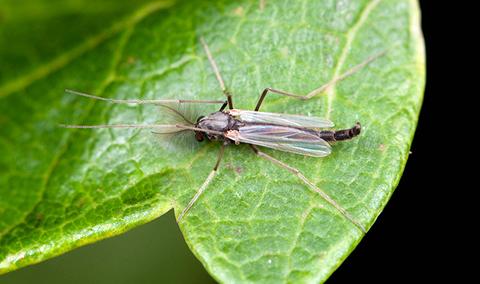
  Chironomid midgeMatt Bertone, NC State

What Are Midges?    

Non-biting midge flies or chironomids commonly occur in inland and coastal natural and man-made bodies of water. These midges are commonly known as “blind mosquitoes” because they are mosquito-like but do not bite. Midges are also called “fuzzy bills” because of the male’s bushy antennae. 

These aquatic insects are tolerant of a wide range of environmental conditions. Chironomid midges are found in swift moving streams, deep slow moving rivers, stagnant ditches, and in lakes and ponds that are rich in decomposing organic matter. The presence of certain chironomid midges is often used as an indicator of water quality. Bodies of water in urban and suburban areas are subjected to intensive human use through residential, recreational and agricultural activities. Through runoff, these ponds and lakes often become exceedingly rich in nutrients. 

Consequently, the variety of organisms in such habitats is usually low with just a few pollution tolerant species developing large populations. Some species of chironomid midges that are tolerant of low dissolved oxygen conditions often are a major component of the bottom invertebrate organisms of urban and suburban lakes, ponds and storm water retention ponds. (Credit: North Carolina State Extension)

Midges FAQs? 

Will midges harm me?

No, midges are a nuisance but not harmful. They do not transmit disease but can cause discomfort and irritation in the eyes, ears, nose, and mouth. 


Why are they called 'blind mosquitoes'?

They are often called "blind mosquitoes" because they look and behave similarly (e.g., found near water, swarm in large groups). They also look related but lack the body structures to bite or feed on humans.


What time of day are they most active?

Midges are most active during sunrise and sunset.


Why are there large swarms of midges?

Midges swarm in large groups, often in the early evening, to maximize their chances of finding a mate. 


It has been a dry year so far. Why are we seeing so many midges?

Experts are unsure as to why we are seeing so many midges this year when it’s been so dry.  


While conditions have been dry overall, midges can still thrive. They only need small or persistent sources of water—such as ponds, ditches, or stormwater basins—to develop. Warmer temperatures can also speed up their life cycle, leading to sudden, noticeable increases in their population. In some cases, lower water levels can concentrate larvae, resulting in larger swarms when they emerge. 


Does water quality influence midges?

Polluted runoff causes water bodies to become rich in nitrogen and phosphorus. Midges are very tolerant to high levels of nitrogen and phosphorus in comparison to other organisms, which allows them to thrive in areas with little to no dissolved oxygen. 


What can I do to get rid of midges?

Please report any midge outbreaks via Midge Reporter. The more reports received from a specific area, the better we can prioritize locations for treatment. 


What is Midge Reporter?

Midge Reporter was created by the Baltimore County Government to provide specific data to help determine the location of midge outbreaks. It is now used more broadly across the state to help identify problem areas and guide treatment efforts across affected regions. All Marylanders are encouraged to use this tool to report where they are seeing midges in order to provide decision-makers with the data needed to understand their geographic dispersion and density. 


I can’t figure out how to use Midge Reporter. Who do I contact?

Contact Baltimore County staff at (410) 887-5683 or [email protected]


Are midges being treated outside of Baltimore County?

Currently, midges are only being treated within Baltimore County due to funding constraints. The data collected in Midge Reporter provides critical information for decision-makers to consider when making future funding decisions for treatment.


What is being sprayed to get rid of the midges?

Bacillus thuringiensis israelensis, or Bti, is a naturally occurring bacterium that is found in soil. It specifically targets midge larvae and, when ingested, causes them to die off.


Will the spraying impact the environment or my health?

Bti is nontoxic to people, mammals, birds, fish, and most invertebrates. It is only harmful to a handful of organisms, including midges, black flies, mosquito larvae, and a few other aquatic flies. It does not persist in the environment or pose a risk to human health when used as directed. 


What actions can I take as a homeowner to reduce midges?

  • Reduce Outdoor Lighting:
    Use yellow or “bug” light bulbs, which are less attractive to insects. Turn off unnecessary outdoor lights at night, especially during peak emergence periods.

  • Adjust Lighting Placement:
    Position outdoor lights away from doors and windows or use motion-activated lighting to minimize continuous attraction. Use bright-white LED lights as far away from the home as possible to attract midges away from the home.

  • Keep Doors and Windows Sealed:
    Ensure screens are intact and doors/windows are properly sealed to prevent midges from entering your home. Use darkening curtains or blinds to limit light exposure to the outside.

  • Limit Standing Water:
    Although midges typically breed in larger bodies of water, reducing small sources of standing water (like clogged gutters or containers) can help minimize other insect populations.

  • Use Fans Outdoors:
    Midges are weak fliers. Using fans on patios or decks can help keep them away from gathering areas.

  • Clean on a Regular Basis:
    Hosing down the midges will kill them and wash away accumulated insects from walls, sidewalks and outdoor surfaces to maintain cleanliness.


Statement for Concerned Residents?   

Thank you for reaching out to let us know about midge activity in your area. We understand how frustrating and disruptive large swarms can be.  While they may look like mosquitos, please be reassured that they do not bite or transmit disease. 


We encourage you to report midge activity through Midge Reporter. You do not need to be a Baltimore County resident to use this tool. Because the Maryland Department of Agriculture has limited resources to address midge outbreaks, your report helps us identify the areas experiencing the greatest impact and prioritize where treatment is needed. 


In the meantime, here are a few simple steps you can take at home to help reduce the presence of midges:


  • Reduce Outdoor Lighting:
    Use yellow or “bug” light bulbs, which are less attractive to insects. Turn off unnecessary outdoor lights at night, especially during peak emergence periods.

  • Adjust Lighting Placement:
    Position outdoor lights away from doors and windows or use motion-activated lighting to minimize continuous attraction. Use bright-white LED lights as far away from the home as possible to attract midges away from the home.

  • Keep Doors and Windows Sealed:
    Ensure screens are intact and doors/windows are properly sealed to prevent midges from entering your home. Use darkening curtains or blinds to limit light exposure to the outside.

  • Limit Standing Water:
    Although midges typically breed in larger bodies of water, reducing small sources of standing water (like clogged gutters or containers) can help minimize other insect populations.

  • Use Fans Outdoors:
    Midges are weak fliers. Using fans on patios or decks can help keep them away from gathering areas.

  • Clean on a Regular Basis:
    Hosing down the midges will kill them and wash away accumulated insects from walls, sidewalks and outdoor surfaces to maintain cleanliness.

Please visit the Maryland Department of Agriculture’s Nuisance Midge Control Program website for more information.​


Contact​ Information 

Scott Larzelere
Program Manager ​

Telephone: 410-841-5870

Office Address:
50 Harry S. Truman Parkway
Annapolis, MD 21401​

Tips and Resources