Stream Protection & Herd Health
Main_Content
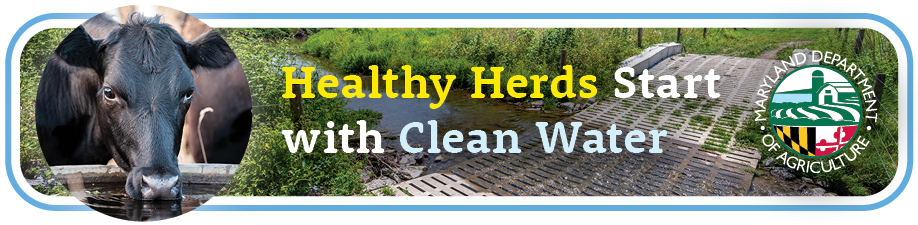
ATTENTION LIVESTOCK FARMERS:
If your pasture borders a stream, explore our financial incentives for stream protection practices that support healthy waterways and livestock. Cost-shared practices such as stream fencing can also help you
comply with the Nutrient Management Program's livestock setback requirements for streams. Keeping animals away from waterways:
-
Protects local streams and drinking water.
-
Prevents erosion, pollution, and habitat loss from animal traffic.
-
Ensures compliance with livestock setback requirements.
-
Reduces the risk of diseases and injuries to your herd, such as mastitis, scours, foot rot, and calving losses.
-
Improves productivity and weight gain
MDA offers a
full range of cost-share grants and incentives to enhance your herd's health while protecting your stream. Please scroll down to learn more.
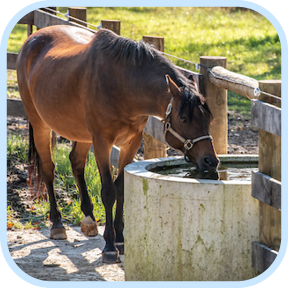
Horse and Livestock Watering Facilities
Livestock watering facilities provide a clean, dependable water supply away from streams and can improve how you manage your pastures. Cost-share assistance is available for frost-free waterers and spring developments that convert muddy springs or wet areas into a clean water supply for livestock. Farmers often find that livestock prefer waterers over streams.
Up to 87.5% cost-share
is available for this practice through the Maryland Agricultural Water Quality Cost-Share Program (MACS). Contact your local soil conservation district for free help in identifying suitable water sources and applying for grants. Horse owners should reach out
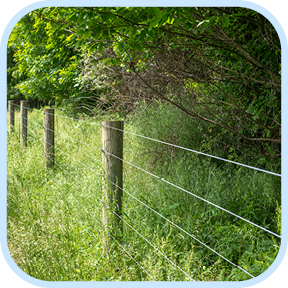 Livestock Exclusion Fencing
Stream fencing prevents livestock from trampling streambanks and improves water quality. Fencing is also used to exclude livestock from areas that need to be protected from grazing and to encourage animals to use stream crossings.
Up to 87.5% cost-share is available for this practice through the Maryland Agricultural Water Quality Cost-Share Program (MACS). Contact your
local soil conservation district for free technical assistance to install this practice.
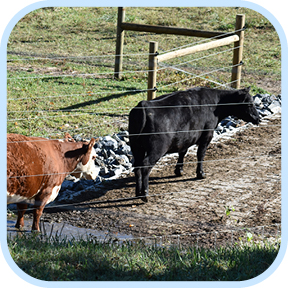 Stream Crossings
A stream crossing provides a hard, stable surface to transport livestock and farm equipment used for pasture maintenance across a stream without damaging the streambed or banks.
Up to 87.5% cost-share is available for this practice through the Maryland Agricultural Water Quality Cost-Share Program (MACS). Contact your
local soil conservation district for free technical assistance to install this practice.
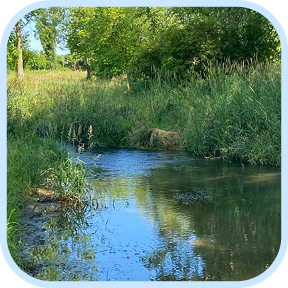 Stream Buffers
One of the best ways to protect streams is to plant trees, shrubs, or grasses next to the water to create a stream buffer. Buffers filter runoff coming off the land, protect against erosion, provide shade to keep the water cool, and create a home for turkeys, ducks, and other types of wildlife. Strategically planted buffers can be used to exclude livestock from streams.
The Maryland Agricultural Water Quality Cost-Share (MACS) Program offers farmers
up to 100% cost-share to plant riparian forest buffers, and
$2 for each tree planted. Please contact your local soil conservation district to apply for this grant.
Conservation Buffer Initiative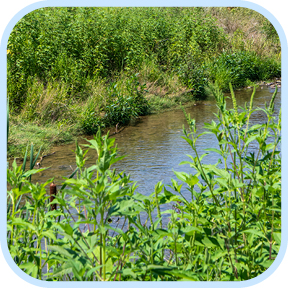
This program offers farmers
attractive incentive payments to plant streamside buffers to improve the health of local streams and the Chesapeake Bay. Farmers can receive up to $4,500 an acre to install a riparian forest buffer with pasture fencing. New riparian forest buffers also qualify for a one-time BONUS PAYMENT of $1,000/acre. You can apply for this program by contacting your soil conservation district during the annual open enrollment period which runs from November 1, 2025 through April 30, 2026. Learn more about the Conservation Buffer Initiative.
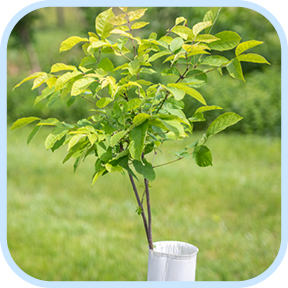
CREP
Maryland’s Conservation Reserve Enhancement Program (CREP) is a federal-state partnership program that pays farmers and rural landowners attractive land rental rates to remove environmentally sensitive agricultural land out of production for 10-15 years and install conservation practices to protect streams and create wildlife habitat. Farmers who plant new riparian forest buffers next to streams qualify for a one-time BONUS PAYMENT of $1,000/acre. Please contact your local USDA Farm Service Agency office to apply. Learn more about CREP.
Updated 1/22/26
